The Psychology of Nudges: Why a Small Prompt Works
Mindova Team
Admin
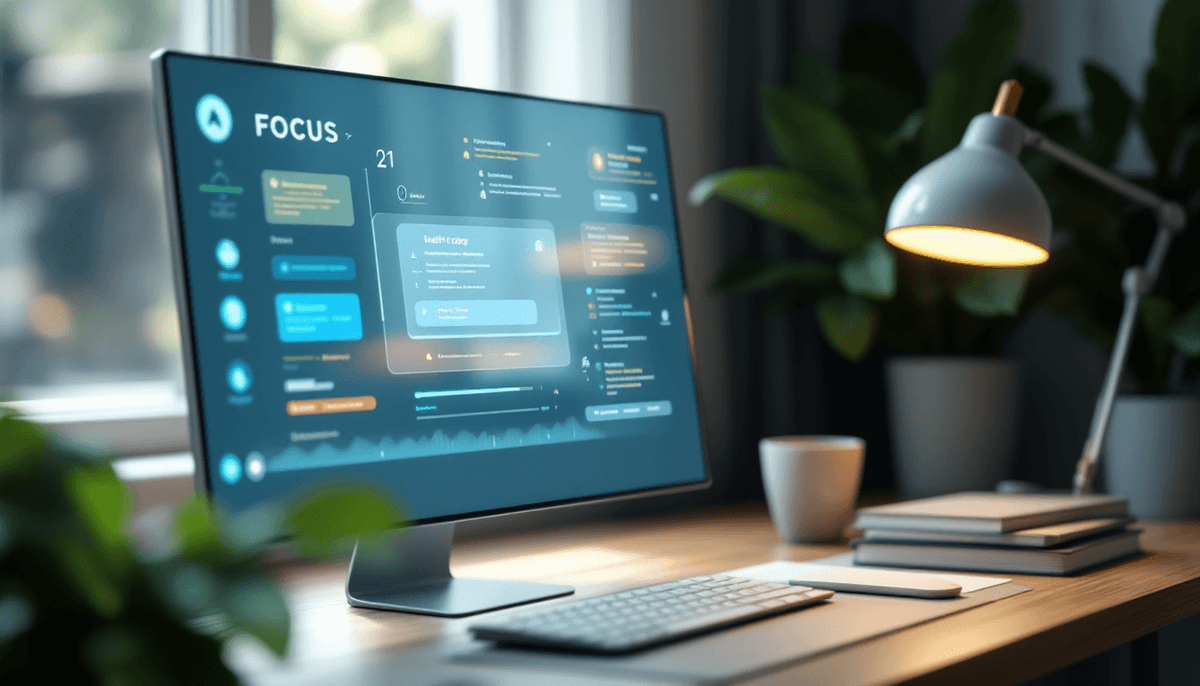
You know what you should be doing. You decided this morning. And yet at 2pm you're scrolling, fully aware, a little annoyed at yourself, unable to stop. Willpower isn't the missing piece here, because you had plenty of it when you made the plan. What's missing is something at the moment of the slip. That's what a nudge supplies, and there are good behavioral reasons a prompt that small can move you when gritting your teeth can't.
Intention and action happen at different times
When you plan your day, you're calm and a little removed from temptation. The version of you that decides "no social media until the draft is done" is rested and rational. The version that opens the feed three hours later is tired, bored, and reacting to an impulse. These are almost two different people, and the planner has no way to reach the slipper.
A nudge is how the planning version of you leaves a message for the tempted version. It carries your earlier intention into the exact moment you're about to abandon it. Nothing else in your day reliably bridges that gap.
Distraction is mostly automatic, not chosen
Reaching for your phone rarely feels like a decision. You don't weigh the options and conclude that scrolling beats working. The hand moves on its own, triggered by a flicker of boredom or a hard sentence in the report. Most distraction runs on autopilot.
You can't out-discipline an automatic behavior with another automatic behavior. What breaks the loop is a moment of awareness, a small interruption that turns an unconscious reach into a conscious choice. A nudge inserts exactly that pause. "You're heading to a feed you set aside" doesn't forbid anything. It just makes you notice what you're doing, and noticing is often enough to stop.
Why timing beats force
A reminder an hour early is forgotten. A reminder an hour late is a regret. The power of a nudge is almost entirely in when it arrives, not how strict it is.
Think about how a strip of rumble bumps in the road slows you down more reliably than a speed-limit sign you passed a mile back. It works because it reaches you at the point of the decision, not before. A focus nudge follows the same logic. Mindova shows the reminder at the instant you try to open a blocked site during a focus session, which is the one moment the message can actually change what happens next. The same words, delivered a few minutes earlier or later, would do nothing.
Small beats forceful
It's tempting to think a harsher intervention works better. It usually doesn't. A heavy, guilt-laden warning provokes resistance, the same way being told "don't" makes you want to. People protect their sense of choice, and a prompt that feels controlling gets argued with or switched off.
A light nudge sidesteps that. It leaves the decision with you, which is exactly why you're willing to listen to it. Behavioral economists call this choice architecture: you change the setting around a decision without removing the freedom to decide. The reach for the feed is still available. It's just no longer automatic, and that small added friction is often all it takes for the impulse to pass.
Why the impulse fades if you can wait it out
A craving to check something feels urgent, like it'll grow until you give in. It actually does the opposite. Most urges peak fast and fade within a minute or two if you don't act on them. The problem is that acting is so frictionless, the urge always wins before it has a chance to fade.
This is the real job a nudge does, and why a feature like locked mode matters. When you can't instantly switch the block off, the nudge buys you the thirty seconds the urge needs to crest and pass. You're not relying on raw willpower to hold out forever. You're outlasting a short spike, and the design makes outlasting it the path of least resistance.
Why it has to be personal
A generic "stay focused" banner stops working almost immediately, because your brain learns to skip it like an ad. A nudge that names your actual goal is different. "You wanted the proposal done by lunch" reconnects you to something you genuinely care about, not a vague instruction.
That's why writing your own reminder matters. The message that moves you is one in your own words, tied to a goal you set yourself. Mindova lets you set that message, so the prompt that greets you on a block is the one most likely to land for you specifically, instead of a stock line you've already tuned out.
Small prompts, repeated, become habits
The deepest reason nudges work is what they do over time. Every time a prompt redirects you and you return to the task, you lay down a little evidence that you're someone who follows through. Repeat that across days and the redirect starts to happen on its own, before the nudge even fires. The prompt was scaffolding, and eventually the behavior stands without it.
That's the goal. Not a tool that polices you forever, but a series of small, well-timed reminders that teach a habit and then quietly fade into the background. A nudge isn't really about willpower at all. It's about meeting yourself at the right moment, with the right reminder, often enough that the better choice becomes the natural one.
Put this into practice with Mindova
Mindova is a website and app blocker that turns these ideas into daily habits — set focus schedules, block distracting sites and apps, and track your progress across every device.
- Block distracting websites and apps in seconds
- See pricing — start free, no credit card required
- Get started free and reclaim your focus today
- Block specific apps: Block YouTube · Block Reddit
Mindova Team
Admin
Passionate about helping people achieve peak mental performance through evidence-based strategies and mindful technology use.
Related Articles
How to Deactivate Facebook for Focused Work
A plain walkthrough of deactivating Facebook the right way, so your account waits quietly while you get real work done.
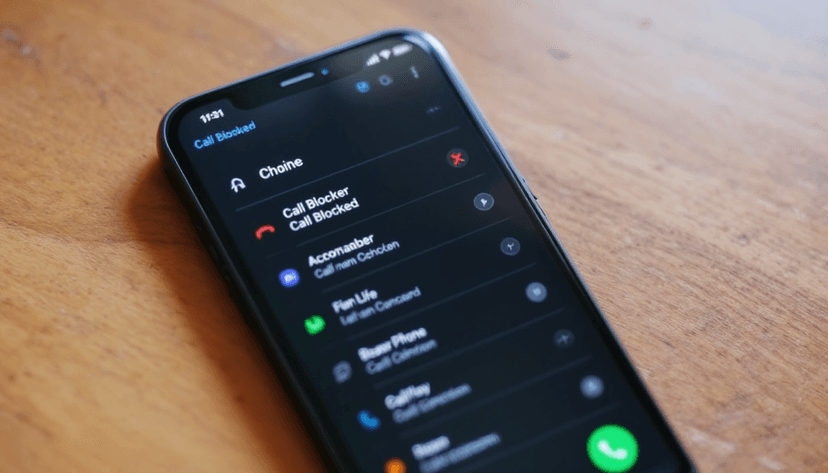
Cutting Call Interruptions From Your Focus Time
Spam calls and constant pings shatter deep work, so here's how to silence the interruptions your phone throws at you and protect real focus time.

Context-Aware Nudges That Protect Deep-Focus Time
How personalized, situation-aware nudges guard your deep-work blocks instead of interrupting them.
Ready to Boost Your Productivity?
Join thousands of users who have transformed their focus with Mindova.