Do Dumb Phones Actually Boost Focus? An Honest Look
Written by Mindova Team
Admin
Published March 9, 2026 · Updated July 7, 2026
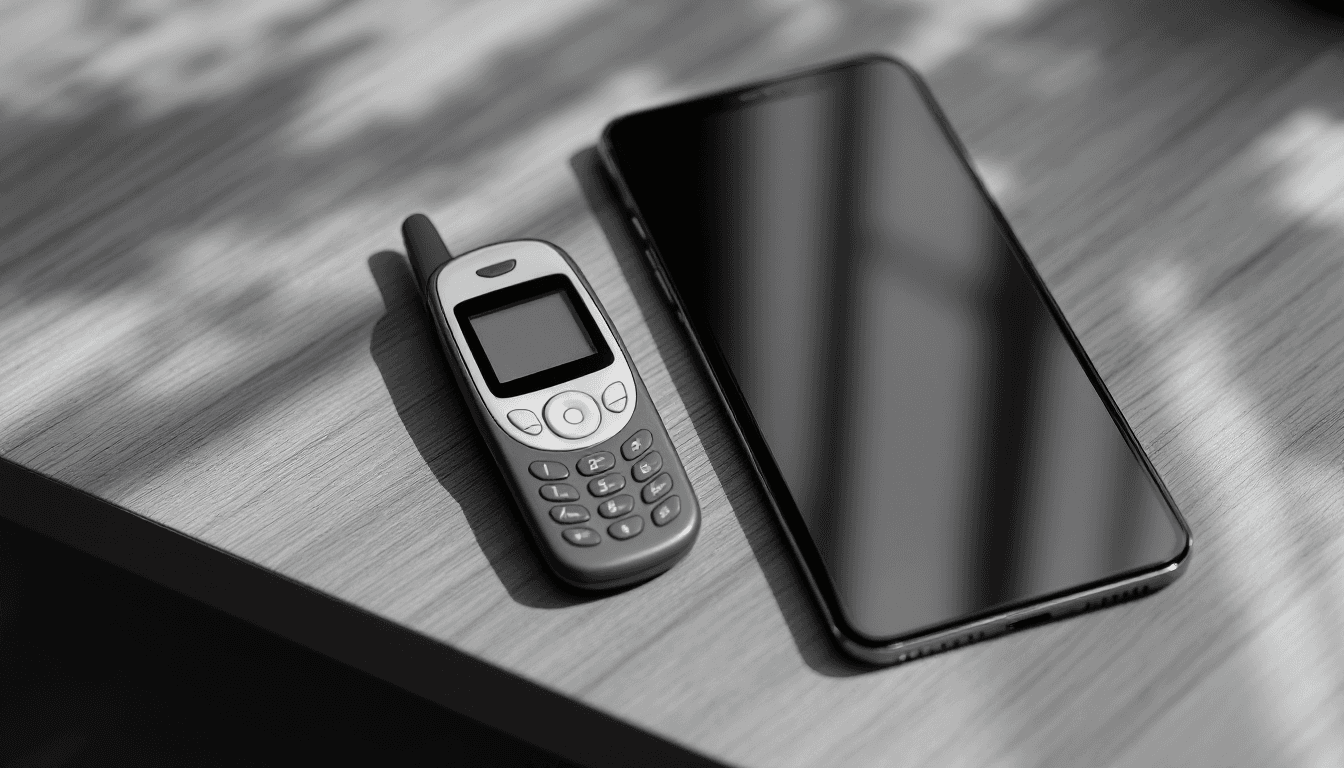
The question behind the dumb phone hype
You keep hearing the same promise: switch to a dumb phone and your focus comes roaring back. The screen-time number drops, the scrolling stops, your attention span heals. It's a compelling story. It's also worth poking at before you spend money on a second device.
So do dumb phones actually boost focus? Mostly yes, but not for the magical reasons the hype suggests, and not without a catch.
Why a dumb phone can sharpen focus
The honest version is simple. A dumb phone helps because of what it can't do.
There's no infinite feed, so there's nothing to scroll. There's no app store, so you can't add the next time-sink. Notifications shrink to calls and texts, which means most of the interruptions that fracture your day just disappear. When the device in your pocket can only call, text, and maybe play music, you stop reaching for it out of habit, because there's no payoff waiting.
Say you sit down to work with a smartphone nearby. Part of you stays alert to it, half-expecting a buzz. Swap in a feature phone and that low hum of anticipation goes quiet. That quiet is the focus people are describing. It's real, and it's the strongest argument for the switch.
The friction that does the work
The mechanism is friction. Every time the impulse to check hits, a dumb phone gives you nothing to act on, so the impulse dies. Repeat that for a few weeks and the reflex itself starts to fade. That's genuinely useful, and it's why people report holding longer stretches of work after switching.
The catch nobody mentions on day one
Here's where the honesty matters. A dumb phone doesn't remove distraction. It relocates it.
The focus problem was never only your phone. It's also the laptop with twelve tabs open, the work browser one click from a news site, the second screen. Plenty of people switch to a flip phone and then lose the same hours to their computer instead. The pull didn't vanish. It found a new door.
There are practical costs too. Navigation gets clumsy, mobile payments and login codes get awkward, your good camera disappears, and group chats turn into a chore. For some people that friction is worth it. For many, it quietly becomes a reason to carry the smartphone "just in case," and a month later they're back where they started.
A dumb phone is a tool, not a cure. If your attention is leaking from several places, plugging one of them helps but doesn't finish the job.
A minimalist setup for the phone you already own
If you want the dumb phone effect without the trade-offs, you can build it on your current phone. The aim is to make your smartphone behave like a feature phone when you need it to, and a full smartphone when you don't.
Clear the home screen
Take the feeds, the games, and the time-sinks off your home screen entirely. Keep one screen of genuine tools: maps, messages, calendar, camera, music. What you don't see, you don't reach for half as often.
Block the time-sinks on a schedule
This is the core move. Instead of deleting apps and reinstalling them every weekend, block the distracting sites and apps on a schedule that fits your day, off during work hours, off after dinner, off first thing in the morning. When you open one out of reflex, you meet a block screen instead of a feed.
Lock it so a weak moment can't undo it
The reason raw willpower fails is that the impulsive version of you can always tap "disable." A locked mode closes that loophole: once a focus session is running, you can't casually switch it off. Pair it with an on-block reminder that asks whether this is really how you want to spend the next ten minutes, and most impulse-opens never make it through.
Kill the notifications you didn't choose
Turn off every notification that isn't a real person or a real appointment. Badges and "someone you may know" alerts exist to pull you back in. Silence them and your phone stops interrupting you.
Track what's actually changing
The thing a dumb phone can't give you is a picture of your habits over time. Watch your focus sessions and your blocked attempts week to week. When you can see the scrolling shrink, you've got proof the setup is working, and a reason to keep it.
So, should you switch?
If you've tried everything and your phone still owns you, a dumb phone is a fair experiment, especially as a weekend trial. Just go in clear-eyed about the trade-offs and remember the laptop is still there.
For most people, the smarter starting point is the phone they already carry: strip it down, block the parts that hijack you, lock it so impulse can't override intention. You get the calm of a dumb phone and keep the maps, the camera, and the codes you actually need. The focus was never about the hardware. It was about removing the pull.
Put this into practice with Mindova
Mindova is a website and app blocker that turns these ideas into daily habits — set focus schedules, block distracting sites and apps, and track your progress across every device.
- Block distracting websites and apps in seconds
- See pricing — start free, no credit card required
- Get started free and reclaim your focus today
- Block specific apps: Block YouTube
Mindova Team
Admin
Passionate about helping people achieve peak mental performance through evidence-based strategies and mindful technology use.
Related Articles

Why Your Best Ideas Come When You Step Away
Your best ideas tend to arrive when you stop staring at a screen, and you can make more room for them.

How Constant Distraction Keeps You Stressed
Every ping and quick scroll leaves a little stress behind, and cutting the input is one of the fastest ways to calm down.

A Short Digital Detox to Clear Mental Fog
A short, deliberate break from screens can lift the mental fog and hand your focus back to you.
Comments
Be the first to comment.
Ready to protect your focus?
Block distracting sites, set daily limits, and run focus sessions. Mindova is free.